Source creative cartoon camel plush toy for gifts, decor, and parties
Compare 30 creative cartoon camel plush toy options from verified suppliers. These soft, huggable items feature CE and ASTM certifications, with customizable sizes and OEM services available for bulk orders.
Key considerations
Products List




Comprehensive Sourcing Guide
Creative Cartoon Camel Plush Toy Sourcing Guide
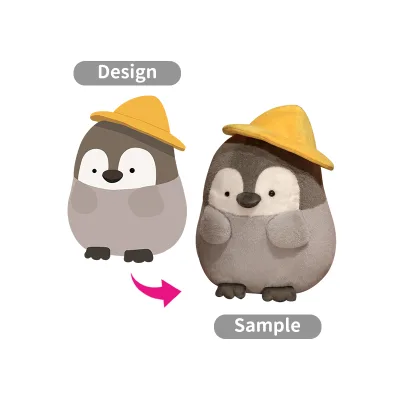
Sourcing creative cartoon camel plush toys requires a careful balance between aesthetic appeal and rigorous safety compliance, particularly when targeting markets with strict toy regulations. The observed product landscape indicates a strong emphasis on customization, with suppliers actively welcoming OEM and ODM requests to tailor designs for specific brand identities. Buyers should recognize that while the core keyword suggests a specific animal motif, the actual product range often includes a variety of standing animal figures, including deer and other models, all sharing similar manufacturing characteristics. This flexibility allows procurement teams to curate collections that align with seasonal themes or marketing campaigns, provided they verify the specific modeling source and style for each SKU.
The commercial reality of this category is defined by significant variability in minimum order quantities and production timelines. Observed data reveals MOQs ranging from 50 to 2,000 pieces, with some specific listings citing 500 or 1,000 pieces per color as standard thresholds. This variance necessitates early negotiation to align order volumes with inventory goals, especially since production times can extend from 30 to 60 days depending on the complexity of the customization and the supplier’s current capacity. Understanding these logistical constraints is critical for planning, as the lead time for samples typically ranges from 5 to 7 days, while full-scale production requires substantial advance planning to avoid supply chain bottlenecks.
Product Scope and Observed Listing Signals
The product scope for camel plush toys in this category is characterized by a focus on soft, huggable textures and creative packaging options. Suppliers frequently offer items described as "funny playing" aids, suggesting a target audience that includes both children and collectors who value tactile comfort and visual charm. The materials observed are predominantly polyester with cotton or PP cotton stuffing, ensuring a consistent feel across different models. Buyers should note that while the camel is a primary motif, the broader scope includes other animal types, meaning that a single supplier may offer a diverse catalog of standing animal plushies, allowing for mixed-color orders and cohesive product lines.
Packaging plays a significant role in the perceived value and logistics of these items, with options ranging from simple PP bags to elaborate gift packs and carton boxes. The availability of creative packing solutions is explicitly welcomed by many manufacturers, indicating a market trend toward retail-ready presentation. This flexibility is crucial for buyers who need to balance shipping costs with shelf appeal. However, the specific packing method can vary by model, with some items like the YD-L735 pillow toy requiring carton box packaging, while others may be shipped in individual PP bags. Procurement teams must specify their packaging requirements clearly during the quoting phase to avoid discrepancies in final delivery.
Technical Specifications to Verify
Technical verification begins with confirming the physical dimensions and material composition of the plush toy. The observed specifications indicate a range of sizes, with medium sizes being common for certain models, while others are categorized as short plush toys. Buyers must verify the exact dimensions to ensure they fit their intended use case, whether for retail display or as part of a larger gift set. The modeling source is explicitly stated as animals, with specific references to camels and deer, ensuring that the design intent is clear. It is essential to request physical samples to assess the quality of the stitching, the density of the stuffing, and the durability of the fabric, as these factors directly impact the product’s longevity and safety.
The customization capabilities of the supplier are a key technical differentiator, with options for logo printing or embroidery and custom labels or tags. These features allow brands to embed their identity into the product, enhancing brand recognition. However, the technical feasibility of these customizations depends on the complexity of the design and the chosen placement. Buyers should verify the colorfastness of the dyes and the security of any attached components, such as eyes or noses, to ensure they meet safety standards for the target age group. The observation that these toys are hand-made suggests a higher level of craftsmanship but may also introduce variability, making consistent quality control even more critical.
Compliance and Safety Documentation
Compliance is non-negotiable for plush toys, and buyers must ensure that all products meet the relevant safety standards for their target markets. The observed certifications include CE, EN71, ASTM, CPSIA, and REACH, which are critical for selling in Europe, the United States, and other regulated regions. Buyers should request valid test reports from accredited laboratories to verify that these certifications are current and applicable to the specific product models being ordered. It is important to note that while some listings mention OEKO-TEX, this is a lower-confidence fact and should not be assumed without explicit verification from the supplier.
The age recommendation of 3-8 years is a significant factor in determining the required safety tests. Toys intended for this age group must undergo rigorous testing for small parts, flammability, and chemical content. Buyers must confirm that the supplier’s compliance documentation covers the specific age range and that the product design minimizes choking hazards. Additionally, the presence of CPSIA certification is vital for the US market, ensuring that the product is free from prohibited phthalates and lead. Procurement teams should maintain a clear audit trail of all compliance documents to facilitate customs clearance and retail onboarding.
Cost Drivers and Commercial Terms
The cost structure for creative cartoon camel plush toys is influenced by several key drivers, including material costs, customization complexity, and order volume. The observed price range of $0.5 to $6.99 USD reflects this variability, with lower prices typically associated with simpler designs and higher volumes. Buyers should be aware that significant customization, such as unique packaging or complex embroidery, can increase the unit cost. Understanding these drivers allows for more accurate budgeting and negotiation, ensuring that the final price aligns with the desired profit margins.
Commercial terms also play a crucial role in the total cost of ownership. The observed trade terms include FOB, DDP, CIF, and EXW, each carrying different implications for shipping and insurance responsibilities. Payment terms typically require a 30% advance via T/T, with the balance due before shipment. Buyers should carefully evaluate the logistics options, such as sea, air, or courier services like FedEx and UPS, to determine the most cost-effective and timely delivery method. The production time of 30-50 days, or up to 60 days for some items, must be factored into the cash flow planning to ensure that funds are available for the final payment upon completion.
Supplier Qualification and Quality Control
Supplier qualification requires a thorough assessment of their manufacturing capabilities and quality control processes. Given that the products are hand-made, it is essential to verify the supplier’s ability to maintain consistency across large batches. Buyers should request information about the supplier’s factory audits, including their adherence to social compliance standards and their quality management systems. The origin of the products, primarily Shandong, China, is a known hub for plush toy manufacturing, but buyers should still conduct due diligence to ensure that the specific supplier has a proven track record of reliability and quality.
Quality control measures should be implemented at multiple stages of production, from raw material inspection to final packaging. Buyers should consider hiring third-party inspection services to conduct pre-shipment inspections, ensuring that the products meet the agreed-upon specifications and quality standards. This is particularly important given the variability inherent in hand-made products. Establishing clear acceptance criteria for defects, such as loose threads, uneven stuffing, or misaligned logos, will help minimize the risk of receiving substandard goods. Regular communication with the supplier during the production process can also help identify and resolve issues early.
Long-Term Procurement Checks
Long-term procurement success depends on establishing a sustainable relationship with suppliers who can consistently deliver high-quality products. Buyers should monitor supplier performance over time, tracking metrics such as on-time delivery, defect rates, and responsiveness to issues. This data-driven approach allows for continuous improvement and helps identify potential risks before they impact the supply chain. Regular reviews of compliance documentation are also necessary, as standards and regulations can change over time. Buyers must ensure that their suppliers remain up-to-date with the latest safety requirements to avoid disruptions in sales.
Additionally, buyers should explore opportunities for product innovation and expansion within the camel plush toy category. By staying informed about market trends and consumer preferences, procurement teams can guide suppliers in developing new designs that resonate with their target audience. This proactive approach not only enhances the product portfolio but also strengthens the partnership with suppliers who are invested in the buyer’s success. Finally, maintaining a diversified supplier base can mitigate risks associated with single-source dependencies, ensuring business continuity in the face of unforeseen disruptions.
FAQs
What certifications do the camel plush toys have?
The camel plush toys hold CE, EN71, ASTM, CPSIA, and REACH certifications. These standards ensure safety for children aged 3 to 8 years. The products are manufactured in Shandong, China, adhering to strict international quality requirements for export.
Can I customize the size and logo of the toy?
Yes, customization is available for size and logo printing or embroidery. The standard models include YD-L735 and YD-L611, but sizes can be adjusted. OEM and ODM services are welcomed to meet specific branding needs for party gifts.
What is the minimum order quantity for these toys?
The minimum order quantity ranges from 50 to 2000 pieces depending on the specific model and color. Some listings specify 500 pieces per color, while others require 1000 pieces per color. Buyers should confirm the exact MOQ with the supplier before ordering.
How long does production take for a custom order?
Production time typically takes between 30 to 50 days or 40 to 60 days depending on the order volume. Sample time is usually 5 to 7 days. The total lead time from order confirmation to delivery is generally 4 to 6 weeks.
What material is used to fill the camel plush toy?
The toys are filled with PP cotton or cotton stuffing to ensure a soft and huggable feel. The outer material is polyester, creating a durable and funny playing experience. The product is designed as a standing animal pillow toy.
Which payment terms are accepted for bulk orders?
Accepted payment terms include T/T with 30% paid in advance. Trade terms such as FOB, DDP, CIF, and EXW are available. Shipping can be arranged via sea, air, FedEx, or UPS depending on the buyer's preference and urgency.